
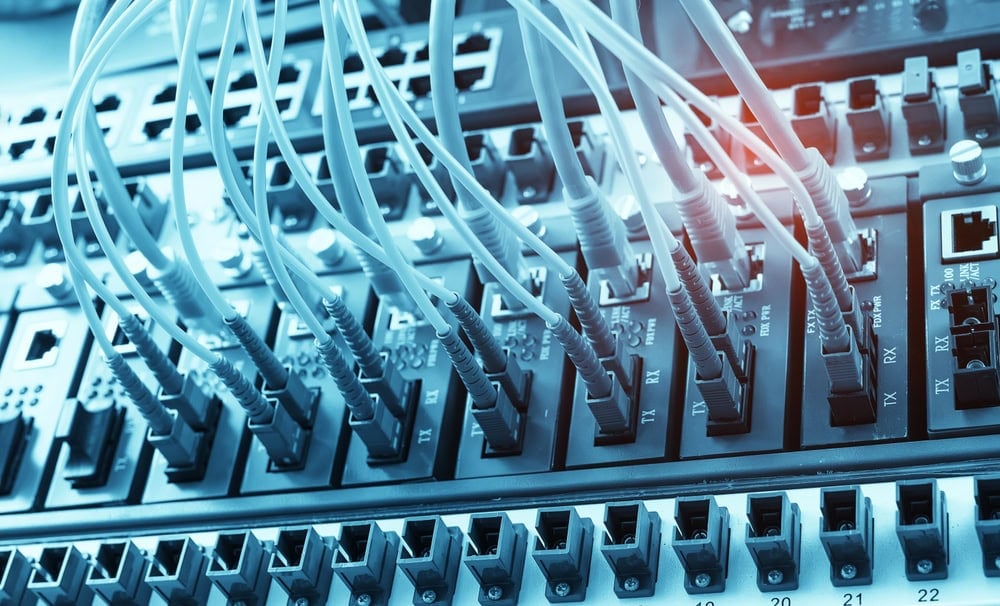
Introduction to Network Cabling
Network cabling is an essential component of modern communication infrastructures, playing a pivotal role in connecting devices within a network. It refers to the physical wiring that facilitates data transmission between different devices, such as computers, servers, and network peripherals. As businesses increasingly rely on technology for their operations, the significance of robust network cabling cannot be overstated. It directly impacts the speed, reliability, and security of network communications, making it a fundamental consideration for any organization.
In today’s digital landscape, businesses face the challenge of ensuring seamless connectivity and data integrity. Proper network cabling not only enhances performance but also mitigates security risks associated with data loss and breaches. Understanding the intricacies of network cabling is essential for organizations aiming to optimize their IT infrastructure and ensure a secure operating environment.
The Role of Network Cabling in Performance Enhancement
Speed and Bandwidth Considerations
One of the primary advantages of quality network cabling is its ability to support high-speed data transmission, which is crucial for maintaining efficient business operations. In the digital age, where data demands are ever-increasing, the speed at which information travels across a network can significantly affect productivity. High-performance cabling, such as Category 6 (Cat 6) cables, can support bandwidths of up to 10 Gbps over short distances, making them ideal for data-intensive applications.
Bandwidth is a critical factor in network performance, determining how much data can be transmitted simultaneously. Businesses that experience high traffic, such as video conferencing or large file transfers, benefit from using cabling that can handle extensive bandwidth. Investing in quality cabling solutions ensures that networks can accommodate future growth and the increasing demands of users.
Minimizing Latency through Effective Cabling
Latency, the delay before a transfer of data begins following an instruction, can severely impact user experience and operational efficiency. Effective network cabling helps minimize latency by providing a direct and efficient pathway for data transfer. Poorly installed or low-quality cables can introduce unnecessary delays, negatively affecting applications that require real-time data processing.
To reduce latency, organizations should consider structured cabling systems that optimize routes and minimize the distance between devices. By thoughtfully planning the cabling layout and using high-quality cables, businesses can ensure faster data transmission and improve overall network responsiveness.
Impact of Cable Quality on Data Transmission
The quality of network cabling directly influences the reliability of data transmission. Low-quality cables can result in data loss, interference, and errors that necessitate retransmission, ultimately affecting productivity. Selecting cables that meet industry standards, such as those certified by the Telecommunications Industry Association (TIA), can help ensure optimal performance and reliability.
Moreover, environmental factors such as electromagnetic interference (EMI) can further compromise data integrity. Shielded cabling options, like shielded twisted pair (STP) cables, provide additional protection against EMI, making them suitable for environments with heavy machinery or other electronic equipment. This attention to detail in cabling quality contributes to a more stable and secure network environment.
Network Cabling and Security: A Critical Connection
Understanding Security Risks in Network Cabling
As cyber threats continue to evolve, organizations must prioritize security within their IT infrastructure. Network cabling can be a vulnerable point if not managed correctly. Unauthorized access to physical cabling can lead to data breaches, interception of sensitive information, and other malicious activities. Understanding these risks is the first step toward implementing effective security measures.
Physical security is often overlooked in discussions about cybersecurity, yet it is just as critical. Cabling systems can be susceptible to tampering, and without adequate safeguards, organizations remain at risk. Conducting regular audits and assessments of cabling infrastructure helps identify potential vulnerabilities that can be addressed proactively.
How Proper Cabling Reduces Vulnerabilities
Properly designed and installed network cabling can significantly reduce vulnerabilities associated with data transmission. By ensuring that cables are routed securely and labeled correctly, organizations can maintain clear visibility over their network configurations. Additionally, using access control measures, such as locked cabinets or enclosures for cabling, can deter unauthorized access and tampering.
Implementing redundancy in cabling pathways also enhances security by providing alternative routes for data transmission in case of a failure or breach. This not only ensures continuous operations but also minimizes the risk of data loss during unexpected incidents. Network segmentation, achieved through proper cabling practices, can further isolate sensitive data and reduce the impact of potential threats.
Implementing Secure Cabling Practices
To ensure a secure network environment, organizations should adopt best practices for cabling installation and management. This includes adhering to industry standards and regulations, conducting regular training for IT staff on security protocols, and performing routine inspections of cabling systems. By fostering a culture of security awareness within the organization, employees can better understand the importance of safeguarding cabling infrastructure.
Additionally, utilizing cable management solutions, such as trays and raceways, can help keep cabling organized and easily accessible for maintenance. This reduces the likelihood of accidental damage and ensures that any potential issues can be identified and addressed promptly. Implementing these secure practices lays the groundwork for a resilient and secure network environment.
Types of Network Cabling: Choosing the Right Solution
Copper Cabling: Pros and Cons
Copper cabling, including twisted pair cables like Cat 5e and Cat 6, remains one of the most common choices for network installations. Its advantages include lower cost, ease of installation, and adequate performance for many standard applications. Copper cabling is capable of supporting speeds sufficient for most business environments, making it a popular choice.
However, copper cables do have limitations, particularly in terms of distance and susceptibility to interference. Signal degradation occurs over longer distances, typically beyond 100 meters, which can hinder performance in large office spaces. Furthermore, copper cabling is more vulnerable to physical damage and environmental factors compared to fiber optic alternatives.
Fiber Optic Cabling: Advantages for Performance and Security
Fiber optic cabling offers significant advantages over copper cabling, particularly in performance and security. With the capability to transmit data over longer distances without degradation, fiber optics provides a clear advantage for organizations with expansive networks. Additionally, fiber optic cables are immune to electromagnetic interference, making them ideal for environments with heavy electronic equipment.
From a security perspective, fiber optic cabling is more difficult to tap into without detection, enhancing the confidentiality of transmitted data. The use of light for data transmission also means that fiber optic systems can achieve higher bandwidths, accommodating the ever-growing demands for data in modern businesses. While the initial installation costs can be higher, the long-term benefits often outweigh the investment.
Comparative Analysis of Cabling Types
| Cabling Type | Speed | Distance | Cost | Interference |
|---|---|---|---|---|
| Copper (Cat 5e/Cat 6) | Up to 1 Gbps (Cat 5e), 10 Gbps (Cat 6) | Up to 100 meters | Lower | Susceptible |
| Fiber Optic | Up to 100 Gbps | Over 1 kilometer | Higher | Immunized |
The decision between copper and fiber optic cabling should be based on the specific needs of the organization, including budgetary constraints, network layout, and performance requirements. A thorough assessment of these factors will facilitate the selection of the most suitable cabling solution for optimal network performance and security.
Best Practices for Installing Network Cabling
Planning the Network Layout
An effective network cabling installation begins with thorough planning. Understanding the physical layout of an organization, including the locations of devices and potential obstacles, is crucial for designing an efficient cabling system. Creating a detailed blueprint can help identify the most optimal cable routes and minimize unnecessary length, which can lead to performance issues. This planning stage also allows technicians to assess environmental factors-such as interference sources, wall construction, and airflow-that may impact cable performance or durability.
Additionally, considering future expansion during the planning phase is essential. Organizations should anticipate growth in both device quantity and data demands, allowing for additional cabling pathways to be incorporated into the layout. Building in extra capacity from the start helps prevent network bottlenecks and supports emerging technologies without requiring a complete redesign. A well-planned network not only enhances performance but also reduces the need for costly upgrades in the future, ensuring a scalable and reliable infrastructure that can adapt as the organization evolves.
Hiring Professional Network Cabling Services
While some organizations may opt for in-house installation, hiring professional network cabling services is often the best approach. Experienced technicians possess the expertise to ensure that installations comply with industry standards and regulations. Furthermore, they can provide valuable insights into best practices and potential pitfalls to avoid during installation.
Professional services also offer post-installation support, including troubleshooting and maintenance, ensuring that the network remains in optimal condition. Investing in quality installation services yields long-term benefits, including enhanced network performance and reduced downtime.
Regular Maintenance and Upgrades
Once the cabling system is installed, regular maintenance is vital to ensure continued performance and security. This includes routine inspections to identify any signs of wear or damage, as well as testing for signal integrity. By addressing issues early, organizations can prevent potential failures that could disrupt operations.
In addition to maintenance, organizations should also plan for upgrades to accommodate changing technology and data requirements. As new standards and technologies emerge, investing in upgrades can help businesses stay competitive and ensure that their network infrastructure remains robust and secure.
Inception Network Strategies: Your Partner in Network Cabling
Overview of Our Services
At Inception Network Strategies, we specialize in providing comprehensive network cabling solutions tailored to meet the needs of various organizations. Our team of experts is dedicated to ensuring that your network infrastructure is not only robust and efficient but also secure against emerging threats. From initial assessments to installation and ongoing maintenance, we handle every aspect of your cabling needs.
Client Testimonials and Success Rates
Our clients consistently report satisfaction with the level of service and expertise we provide. With a proven track record of successful installations and positive outcomes, Inception Network Strategies has established itself as a trusted partner in network cabling solutions. We take pride in our ability to deliver tailored solutions that enhance performance and security for our clients.
Why Choose Inception Network Strategies for Your Cabling Needs
Choosing Inception Network Strategies means opting for quality, expertise, and a commitment to excellence. Our experienced professionals are equipped with the latest knowledge and tools to provide effective cabling solutions that align with your business goals. We prioritize customer satisfaction and work closely with our clients to ensure that their unique needs are met.
Conclusion
In conclusion, proper network cabling is a cornerstone of modern IT infrastructure that significantly enhances both performance and security. Organizations must recognize the importance of investing in quality cabling solutions to support their growing data demands and mitigate potential security risks. By understanding the types of cabling available, implementing best practices for installation, and maintaining the infrastructure, businesses can optimize their network performance.
As the digital landscape continues to evolve, staying informed about cabling technologies and practices will be crucial for future success. Reliable network cabling not only improves efficiency but also fosters a secure operating environment, enabling organizations to thrive in an increasingly competitive world. Get in touch with us today to structure your network cabling with our expert team!